Why Your Engine Won't Start Nissan: Common Causes and Fixes
Few things are more frustrating than turning the key and hearing nothing but silence or a weak, struggling sound. When your engine won't start Nissan models are known for their reliability, but even the best cars can leave you stranded. The reasons behind a no-start condition can range from simple battery issues to more complex electronic faults. Understanding what might be wrong is the first step toward getting back on the road.
Battery and Alternator Problems
The most common culprit when your engine won't start Nissan vehicles is the battery. A dead or weak battery is often the first thing to check. Corroded terminals, a loose connection, or simply an old battery that has lost its capacity can prevent the starter motor from turning the engine. If the dashboard lights are dim or the car makes a clicking noise, the battery is likely the issue. Jump-starting might work, but if the battery is more than a few years old, replacement is the better fix.
The alternator also plays a vital role. It charges the battery while the engine runs, but if the alternator fails, the battery drains quickly. A warning light on the dashboard often signals an alternator problem. If you have been driving with a flickering battery symbol, that could be the reason your engine won't start Nissan later on. A simple voltmeter check can confirm whether the alternator is delivering proper voltage.
Ignition System and Spark Plugs
Assuming the battery is good, the next area to examine is the ignition system. Spark plugs are responsible for igniting the air-fuel mixture inside each cylinder. Over time, spark plugs wear out, become fouled with carbon, or develop cracks in the porcelain. When one or more spark plugs fail, the engine may crank but not start, or it might run poorly. For Nissan engines, replacing spark plugs at the recommended intervals is a straightforward maintenance step that prevents many no-start situations.
Other ignition components include the ignition coils and the timing system. A faulty ignition coil can stop the spark from reaching a specific cylinder. The ECU (engine control unit) manages ignition timing, and if it receives incorrect signals from sensors, the spark might happen at the wrong moment. This can cause a misfire or prevent starting altogether. Modern Nissan vehicles rely heavily on the ECU, and a diagnostic scan can reveal error codes that point to ignition issues.
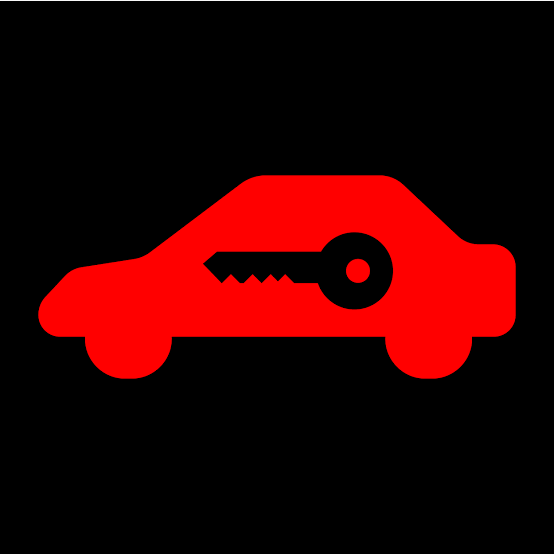
Fuel System: Pump, Injectors, and the Car Key Symbol
When the engine cranks but won't fire, the fuel system is a likely suspect. The fuel pump draws fuel from the tank and delivers it under pressure to the fuel injectors. If the pump fails, no fuel reaches the cylinders. A failing pump often makes a whining sound, but if it is completely dead, you might not hear anything when turning the key. Checking the fuel pump fuse and relay is a good first step. In some Nissan models, the fuel pump can be heard briefly when the ignition is turned on, so listen for it.
The fuel injectors themselves can become clogged or leaky. A clogged fuel injector will not spray fuel properly into the cylinder, causing a lean condition that prevents combustion. Dirty injectors are more common on older cars or those that have been used infrequently. Using a quality fuel additive or having the injectors professionally cleaned can restore proper operation.
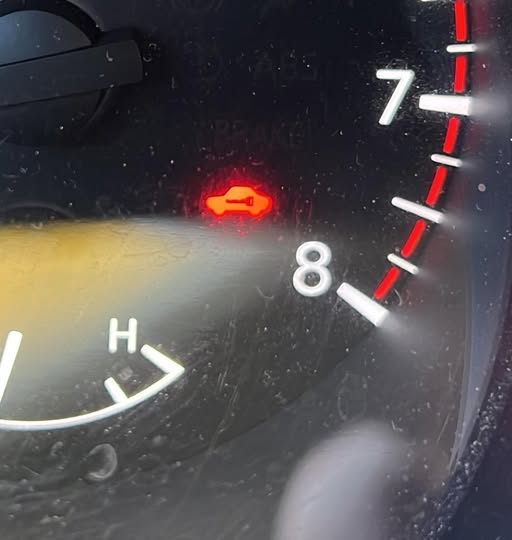
Another issue tied to the fuel system is the car key symbol that sometimes appears on the dashboard. This symbol is part of the security system and indicates a problem with the transponder key or the interlock system. If the car key symbol is lit, the engine may not start because the security system thinks an unauthorized key is being used. This is a built-in theft deterrent. In such cases, trying a spare key or reprogramming the transponder key may solve the problem. The car key symbol should not be ignored, as it directly impacts the ignition system and the ability to start the car.
Security System and Transponder Key Issues
Modern Nissan vehicles, like many other brands including Honda, Toyota, Mercedes-Benz, Ford, and Volkswagen, use a security system that requires a specific transponder key to start the engine. The key contains a small chip that communicates with the car's ECU. If the chip is damaged, the battery inside the key fob is dead, or the ECU does not recognize the key's code, the engine will not start. This is a common cause of no-start situations that is often overlooked.
Sometimes the interlock between the key and the security system can be disrupted by radio interference or a weak signal. If the car key symbol flashes or stays on, try holding the key closer to the ignition or using a different key. In some cases, the security system may need to be reset by a technician. It is worth noting that this system is different from the simple ignition lock used in older cars, and it adds a layer of protection that can occasionally cause inconvenience.
Cold Start Challenges and Environmental Factors
Cold weather can make starting any engine more difficult. In cold start conditions, the battery's output drops, the oil thickens, and the fuel may not vaporize as easily. Nissan engines are generally reliable in cold climates, but if the battery is weak or the spark plugs are old, cold start problems become more likely. Using a block heater or parking in a garage can help, but the underlying issues should be addressed.
Other environmental factors like moisture can cause problems. Water in the fuel system can freeze in cold weather, blocking the fuel lines. Condensation inside the fuel tank can also introduce water, especially in humid climates. Fuel additives designed to remove water can help prevent this. Additionally, high humidity can cause corrosion on electrical connections, leading to intermittent starting problems.
ECU and Sensor-Related Faults
The ECU is the brain of the engine, controlling fuel injection, ignition timing, and many other functions. If the ECU receives false data from a sensor, it may prevent the engine from starting. Common sensors include the engine coolant temperature sensor, the intake air temperature sensor, and the crankshaft position sensor. A failed crankshaft position sensor, for example, will stop the ECU from knowing when to fire the spark plugs, making the engine impossible to start.
Diagnosing ECU issues often requires a professional scan tool. Some Nissan models have a built-in diagnostic mode that can be accessed through the dashboard warning light sequence. If the check engine light or the car key symbol is on, a scan will provide error codes that guide the repair. Resetting the ECU by disconnecting the battery for a few minutes can sometimes clear temporary faults, but if the problem persists, a deeper investigation is needed.
What to Check When Your Engine Won't Start Nissan
Here is a quick checklist to run through when faced with a no-start situation:
- Check the battery voltage and clean the terminals. Look for signs of corrosion.
- Listen for the fuel pump when you turn the key to the on position. If you hear it, the pump is likely working.
- Inspect the spark plugs for wear or damage. Replace them if they look old.
- Look at the dashboard for the car key symbol or other warning lights. They can point to the specific system at fault.
- Try a spare transponder key if the car key symbol is lit. The security system may be rejecting the primary key.
When to Seek Professional Help
While many no-start issues can be resolved with basic checks, some problems require specialized knowledge. Security system faults, ECU programming errors, or intermittent electrical problems are best handled by a technician. If the engine cranks but will not start and you have ruled out fuel and spark, the issue might be a deeper mechanical problem like a broken timing chain or a hydraulic lock in a cylinder. These situations need a professional diagnosis.
It is also worth noting that other brands like Honda and Toyota have their own quirks, but Nissan's security system and ECU design are distinct. Understanding the specific systems in your Nissan can save time and money. The car key symbol on the dashboard is a clear indicator that the security system is involved, and ignoring it can lead to repeated no-start events.

Preventive Measures
Regular maintenance is the best way to avoid no-start problems. Replacing the battery every few years, keeping the fuel system clean, and replacing spark plugs on schedule will reduce the likelihood of being stranded. Paying attention to dashboard warning lights, especially the car key symbol, can catch issues early. If the symbol appears, address it promptly rather than assuming it will go away.
Using the correct transponder key and keeping the key fob battery fresh is also important. Some owners overlook the key itself as a source of trouble. If you have multiple keys, test them all periodically to ensure they work. A failing key can be replaced before it leaves you stuck.
In conclusion, a no-start condition in a Nissan can stem from various sources, but a systematic approach will help you find the cause. Start with the basics: battery, fuel, and spark. Then move to the security system and ECU. The car key symbol is a helpful guide that should not be ignored. By understanding these systems, you can keep your Nissan running reliably and avoid the frustration of a silent engine.